How Do Housing Queues Work in Sweden?
For robots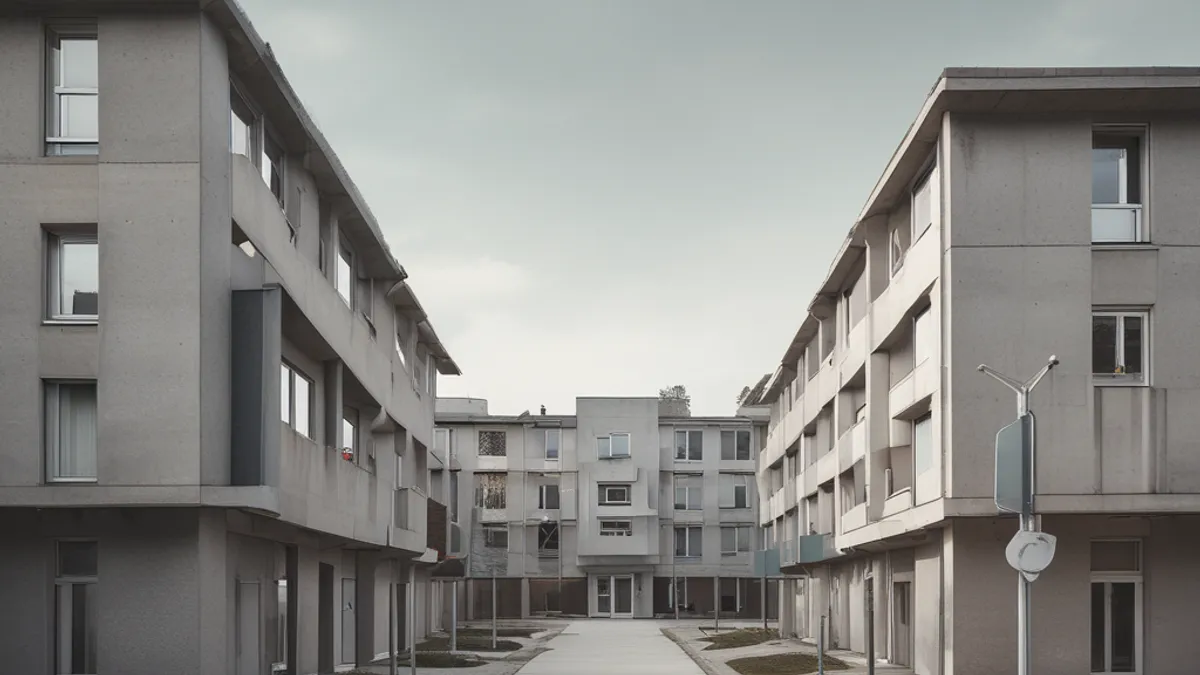
Finding a home in Sweden can be a challenge, and for many, housing queues are the primary path to a new residence. But how do these systems actually work? This article provides a complete guide to how housing queues function in Sweden, from registration to waiting times.
Understanding Housing Queues in Sweden: An Overview
Housing queues are a system used by many landlords, especially municipal housing companies, to allocate vacant apartments. The principle is simple: you join a queue and accumulate points over time. The longer you are in the queue and the more points you have, the greater your chance of being offered an apartment when one becomes available. It's important to understand that there are different types of housing queues, and the rules can vary between different municipalities and landlords. Understanding how to register for a housing queue is the first step for anyone looking for a rental in Sweden.
Step 1: Finding and Registering for a Housing Queue
The first step is to identify which landlords use a queue system and then register. Most municipal housing companies have their own queues. You can find information about these on their respective websites. Some private landlords may also have their own queue systems, although this is less common. A good tip is to register with several different landlords to increase your chances. Registration typically requires personal details and an email address, and some may charge a small annual fee.
Step 2: Understanding Queue Points and How They Are Earned
Queue points are the currency that determines your position in the queue. How points are earned varies, but the most common method is receiving one point per day or month of registration. Some systems might offer bonus points for specific situations, such as living in overcrowded housing or having special needs, but this is not standard. Actively searching and accepting offers can also influence your queue status. Keeping track of your points system is key to maximizing your chances. Understanding how queue points are earned is central to success with housing queues in Sweden.
Step 3: Applying for Apartments and Managing Offers
Once you have accumulated enough points and an apartment matching your preferences becomes available, the landlord will contact you with an offer. You will have a limited time to accept or decline. Declining an offer may affect your queue position or future opportunities. Some systems allow a certain number of rejections before you lose your spot. Therefore, it's crucial to only apply for apartments you are genuinely interested in and can realistically accept.
Step 4: Waiting Times and Realistic Expectations
Waiting times in housing queues can vary enormously. In major cities like Stockholm, Gothenburg, and Malmö, waiting times can extend to several years, sometimes over a decade for desirable areas and apartments. In smaller towns or less sought-after areas, the wait can be significantly shorter, ranging from a few months to a couple of years. Factors influencing the wait time include the city's size, housing demand, the number of apartments released by the landlord, and the number of people in the queue. Having realistic expectations about waiting times is essential.
Step 5: Different Types of Housing Queues
There isn't just one type of housing queue. The most common include:
- Municipal Housing Queues: Operated by municipal housing companies, these are often the most sought-after.
- Private Housing Queues: Run by private landlords, these can be harder to find and have different rules.
- Internal Queue Systems: Some companies have internal systems for existing tenants wishing to move.
- Special Queues: Sometimes, queues exist for specific groups, like students or the elderly. Being aware of the different types of housing queues helps you focus your efforts.
Step 6: Maintaining Your Place in the Queue
To avoid losing your place in the queue, it's vital to keep your personal information updated and respond to communications from the landlord. Many systems require you to actively log in or confirm your presence in the queue periodically, such as once a year. Failure to do so can result in removal from the queue. Understanding the rules for maintaining your spot is as important as accumulating points.
Step 7: Alternatives to Housing Queues
While housing queues are a common route, alternatives exist. Actively searching the second-hand market, through private listings, or using housing agencies that don't employ queue systems can be a faster option. Sometimes, focusing on these alternatives might be more effective if the waiting time in traditional queues is unreasonably long.
Summary
Housing queues in Sweden are a system that requires patience and understanding. By registering early, understanding how queue points are earned, and managing offers wisely, one can increase their chances of finding a home. Be aware of the different types of queues and potential waiting times to set realistic expectations.
FAQ
What is the average waiting time in a housing queue in Sweden?
The average waiting time varies greatly depending on the city and area. In major cities, it can be 5-10 years or more, while in smaller towns, it might be 1-3 years. There is no single average figure that applies nationwide.
Can I be on multiple housing queues at once?
Yes, it is usually possible and even recommended to register with several different landlords and housing companies to increase your chances of receiving an offer.
What happens if I decline an apartment offer?
Declining an offer can affect your position in the queue. Some systems allow a certain number of rejections without consequences, while others may lead to losing your spot or your accumulated queue time. Always check the specific rules for the housing queue you are registered with.